Warblers, Sparrows, Finches & Blackbirds
Red-winged Blackbird
Agelaius phoeniceus
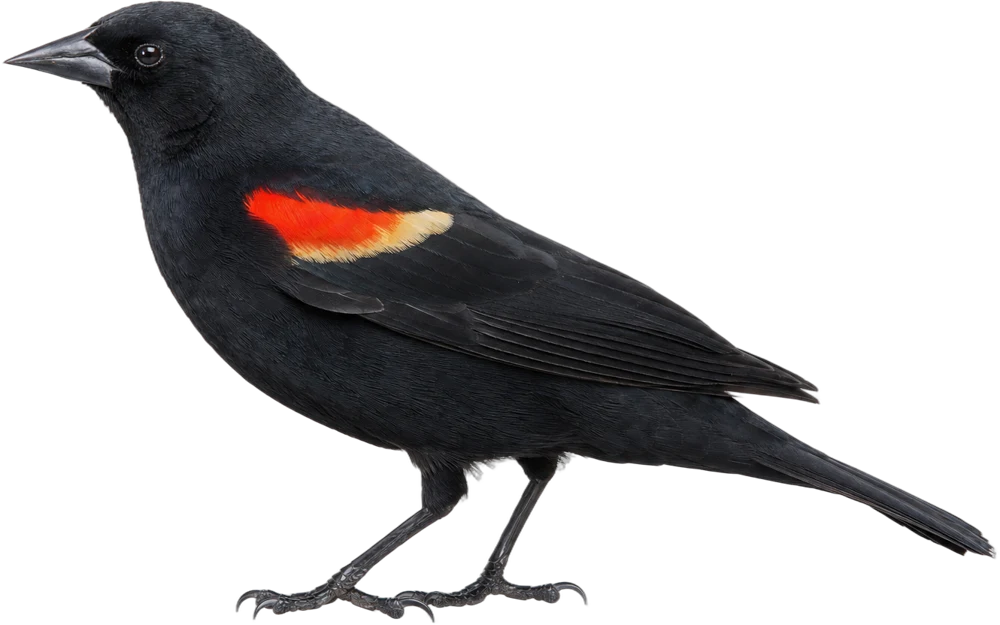
One of the most abundant birds in North America. Males sing from cattails and fence posts, flashing red-and-yellow shoulder patches.
How to identify it
- Male: glossy black with red-and-yellow shoulder patches
- Female: dark brown and heavily streaked, sparrow-like
- Pointed, cone-shaped bill
- Loud "conk-la-ree!" song
SizeBetween a Song Sparrow and an American Robin
Carolina Chickadee4 in
Song Sparrow6 in
Red-winged Blackbird8 in
American Robin10 in
6 inAverage length, bill to tail
Details
- Size
- 7–9 in long; wingspan 12–16 in
- Weight
- 1.1–2.7 oz
- Habitat
- Marshes, wet fields, roadsides and farmland
- When to see it
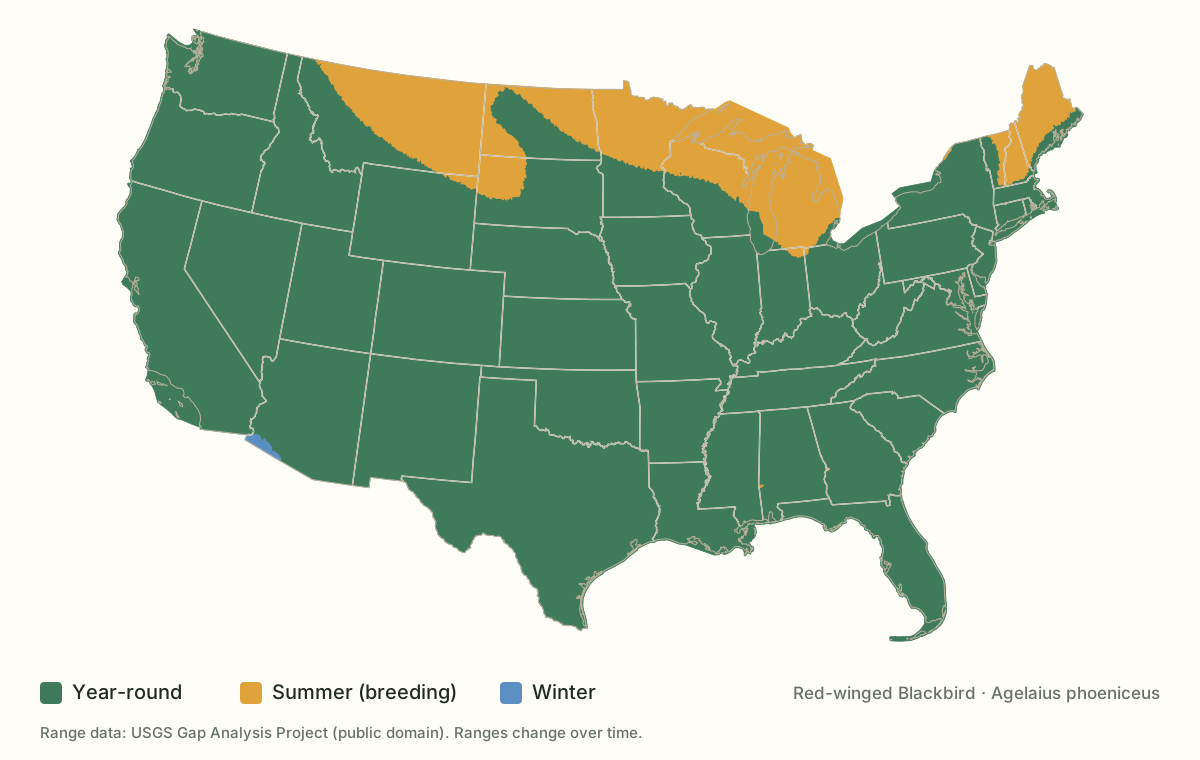
- Year-round across most of the US; summer in the far North
- Diet
- Seeds, grains, insects
Range in the United States
Life history
Food
Eats insects in summer and seeds and grain in winter.
Nesting
A cup of grass and reeds woven around cattails or shrubs over water or in fields.
- Clutch
- 2–4 eggs
- Incubation
- 11–13 days
- Young
- Fledge at about 11–14 days
- Broods
- 1–3 per year
Behavior
Males defend territories fiercely and may have several mates. Winter flocks can number in the millions.
Conservation
Abundant, though slowly declining.
Cool facts
- A male may have up to 15 females nesting in his territory.
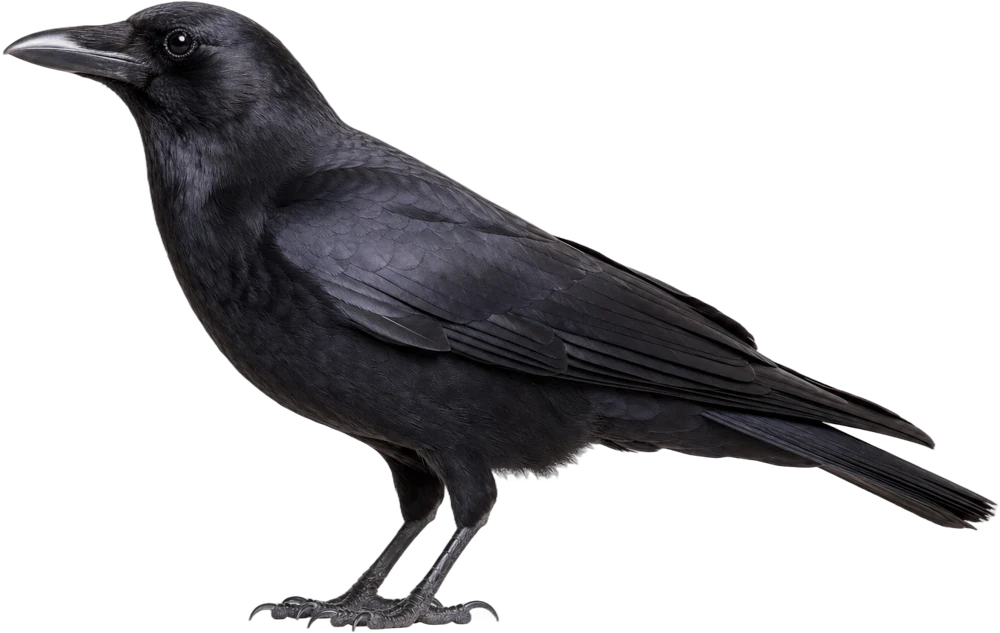
- Males chase hawks, crows and even people away from nests.
- It's one of the most abundant birds in North America.
Songs & calls
▶Bird sounds video coming soon
Watch the Red-winged Blackbird
▶Video coming soon