Waterfowl & Diving Birds
Blue-winged Teal
Spatula discors
A small, fast-flying dabbling duck and one of the earliest migrants in fall. Some fly all the way to South America for the winter.
How to identify it
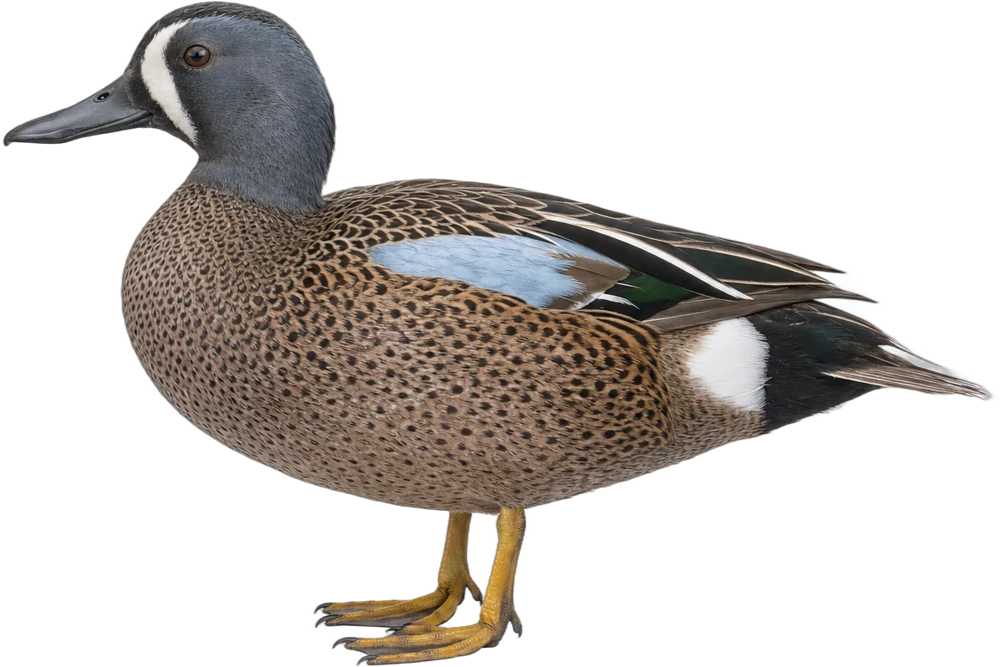
- Male: blue-gray head with a bold white crescent in front of the eye
- Male: tan body covered in dark spots
- Pale sky-blue patch on the front of the wing, obvious in flight
- Female: mottled brown with a dark eye line and pale spot near the bill
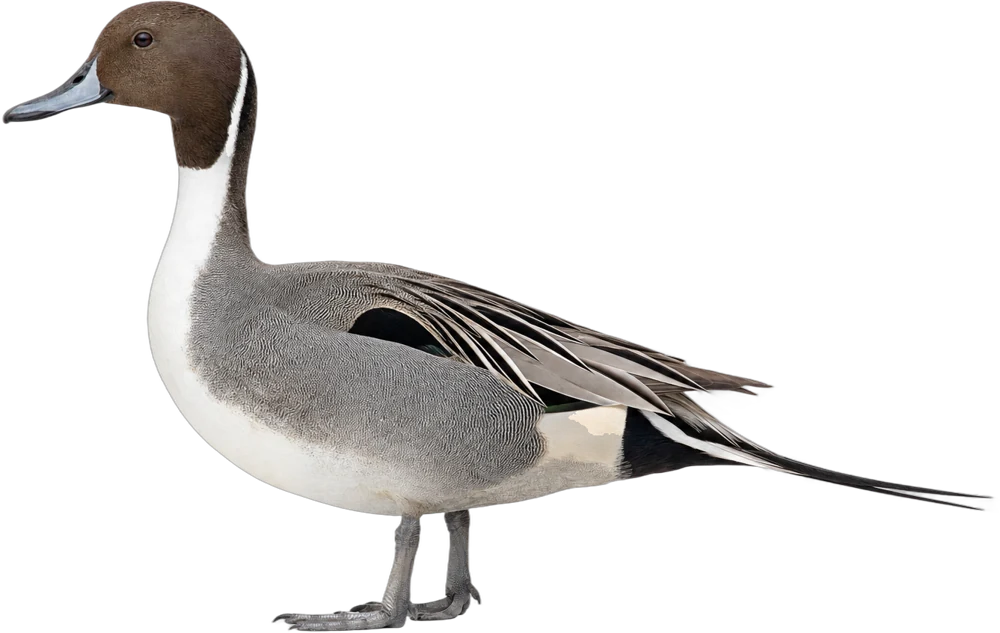
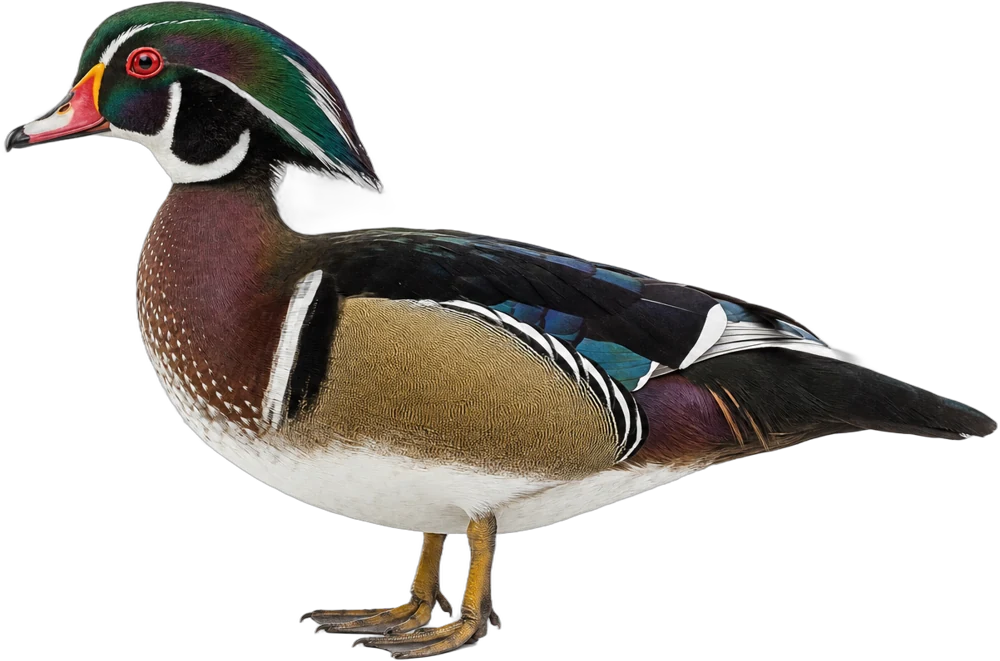
SizeBetween an American Robin and an American Crow
American Robin10 in
Blue-winged Teal16 in
American Crow19 in
Canada Goose37 in
6 inAverage length, bill to tail
Details
- Size
- 15–16 in long; wingspan about 23 in
- Weight
- 8–19 oz
- Habitat
- Shallow marshes, ponds and flooded fields
- When to see it
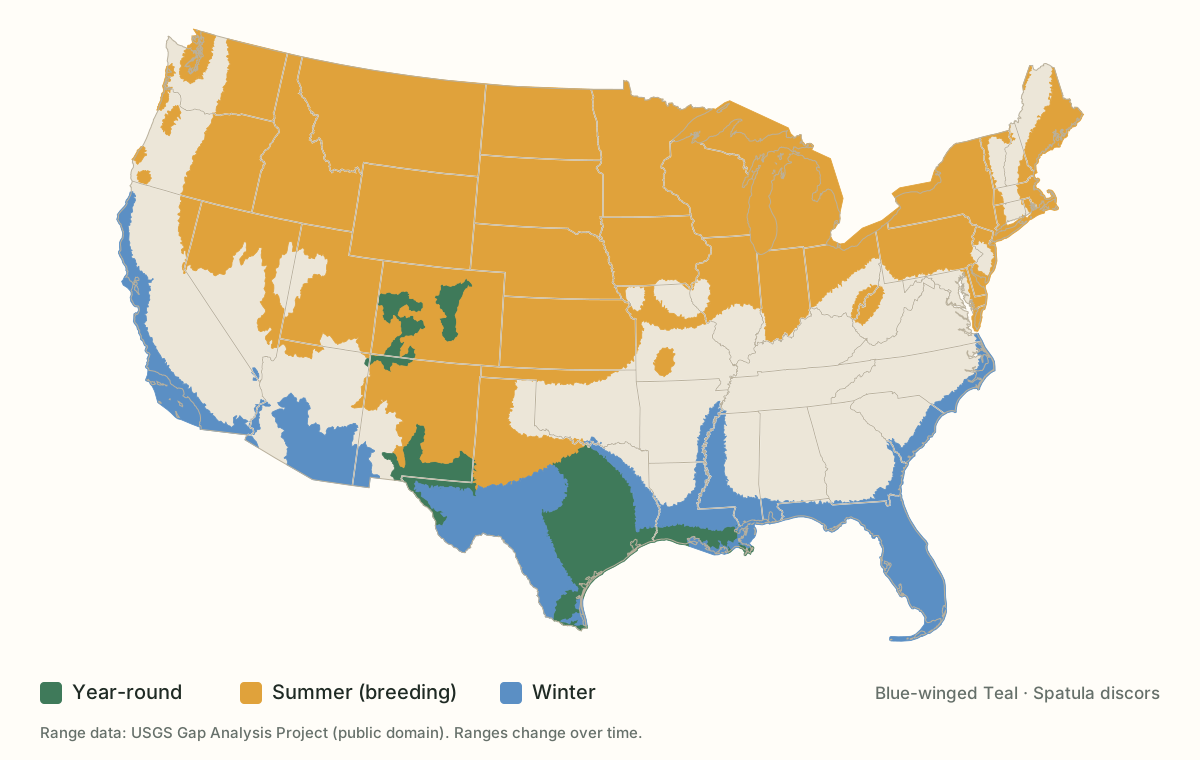
- Spring and fall migrant across the East; breeds on northern prairies; a few winter along the southern coast
- Diet
- Seeds, aquatic plants, insects and snails
Range in the United States
Life history
Food
Eats seeds of marsh plants plus many aquatic insects, snails and crustaceans, especially in spring.
Nesting
A shallow bowl in grass or sedges, usually close to water, lined with grass and down.
- Clutch
- 6–14 eggs
- Incubation
- 21–27 days
- Young
- Leave the nest within a day; fly at about 6–7 weeks
- Broods
- 1 per year
Behavior
Moves in small, fast, twisting flocks. One of the last ducks to arrive in spring and the first to leave in fall.
Conservation
Abundant and generally stable, though it depends on healthy prairie wetlands.
Cool facts
- Some Blue-winged Teal migrate as far as Peru and Brazil.
- Males don't get their full breeding plumage until mid-winter.
- The pale blue wing patch is easiest to see when the bird takes off.
Songs & calls
Watch the Blue-winged Teal
▶Video coming soon